
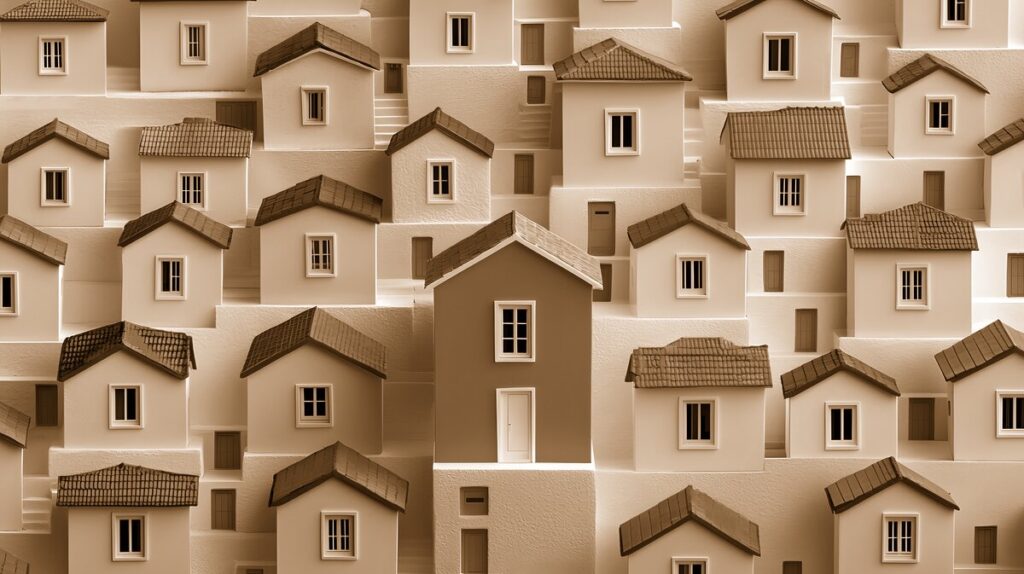
Flagstaff Mesa is more than just a point on a map—it's a chapter within the vibrant book of Flagstaff, Arizona's story. Tucked on the west side of town, Flagstaff Mesa blends historic charm with modern spirit, its streets and landmarks quietly narrating tales of resilience, community, and transformation. Whether you’re a longtime resident or a newcomer drawn by its mountain vistas, understanding the heritage of Flagstaff Mesa is key to appreciating its true significance.
The Origins of Flagstaff Mesa
The roots of Flagstaff Mesa reach back to the late 19th and early 20th centuries, when Flagstaff itself was blossoming from a railroad outpost to a bustling gateway for lumber, ranching, and westward expansion. The mesa—a geologic and geographic term for a flat-topped hill—provided an ideal spot for early settlement, offering stunning views of the San Francisco Peaks and a little remove from the busy railroad corridor down below.
Flagstaff Mesa was named for its gentle plateau-like rise just west of downtown Flagstaff. Early settlers—primarily railroad workers and families tied to the burgeoning lumber industry—found the area both strategic and scenic. By the 1920s and ‘30s, small homes began springing up between present-day West Birch Avenue and West Cherry Avenue, many built from local ponderosa pine.
From Logging Roots to Tight-Knit Neighborhood
In its early years, Flagstaff Mesa was closely tied to the lumber mills that powered the local economy. Streets like *O’Leary Street*, *Aspen Avenue*, and *Arizona Street* were home to loggers, mill workers, and tradespeople. The scent of fresh-cut timber and the distant whistle of trains—once constant companions—are still faintly echoed in neighborhood lore.
The 1940s and ‘50s brought rapid growth to Flagstaff Mesa, as returning World War II veterans sought affordable housing and close proximity to downtown Flagstaff. The one-story bungalows and modest brick homes typical of this era now form the architectural backbone of the area, reflecting the sturdy, practical spirit of their original inhabitants.
Key Historical Landmarks and Streets
Flagstaff Mesa boasts several local landmarks and beloved community spaces:
- *Thorpe Park*: Located at the heart of Flagstaff Mesa on North Thorpe Road, this expansive green space has been gathering ground for generations. With baseball fields, tennis courts, and hiking trails curling up Mars Hill, Thorpe Park continues to anchor the neighborhood’s social life.
- *Mars Hill*: Rising just beyond the park, Mars Hill is famed not only for its views but for the historic *Lowell Observatory* perched atop. Founded in 1894, this esteemed scientific institution links the neighborhood’s story to global discoveries—after all, Pluto was discovered from these very grounds in 1930.
- *Marshall Elementary School*: Serving Flagstaff Mesa families for decades, this school is more than an educational institution—it’s a community pillar where festivals, meetings, and celebrations tie generations together.
Many older homes along Birch and Phoenix Avenues retain their original stone foundations and hand-built details, offering daily glimpses into construction techniques and styles from a bygone era.
Milestones of the Mesa
Flagstaff Mesa has witnessed and contributed to significant events:
- *The Great Snow of 1932*: When historic snows blanketed Flagstaff, neighborhoods like the Mesa became makeshift sheltering hubs. Neighbors banded together to clear roads, share wildfire logs, and ensure no one went hungry.
- *Postwar Boom (1945-1960)*: As Flagstaff’s population doubled, Flagstaff Mesa saw new street extensions and school expansions. Church groups, veterans’ organizations, and a robust PTA helped anchor community bonds.
- *Environmental Stewardship*: In the 1970s and ‘80s, residents rallied to maintain green spaces and protect Mars Hill from encroaching development, setting a precedent for Flagstaff’s later sustainability ethos.
The Neighborhood Evolves
While Flagstaff Mesa remains deeply rooted in its history, it hasn’t stood still. The last few decades have brought gradual change:
- Newcomers, from university students to young families, now mingle with third- and fourth-generation locals.
- Historic homes are lovingly restored, while selected lots have welcomed tastefully modern infill housing.
- Community events like summer movie nights at Thorpe Park or annual Mars Hill stargazing parties foster shared identity.
Though property values have climbed along with the rest of Flagstaff, long-term residents are quick to welcome newcomers who respect the neighborhood’s values: quiet, connection, and a respectful love for the land.
What Makes Flagstaff Mesa Special Today
Walk Flagstaff Mesa’s leafy streets on a summer morning and you’ll hear the busyness of birds, children riding bikes to Marshall Elementary, and the faint crack of a baseball bat at Thorpe Park. Residents swap gardening tips over backyard fences and gather for block parties that have been a local tradition since the 1960s.
The view from Mars Hill—across downtown Flagstaff to the peaks beyond—reminds locals every day of their place in a landscape both ancient and ever-changing. For its blend of heritage, natural beauty, and neighborly warmth, Flagstaff Mesa stands as one of Flagstaff’s most beloved enclaves.
Whether you’re exploring vintage homes on Birch Avenue, unwinding at Thorpe Park, or catching a sunset behind Lowell Observatory’s famous dome, Flagstaff Mesa welcomes you to discover its story—a story still very much alive, and one that continues to unfold with each passing year.